A buyer in Europe recently lost over $100,000 to a supplier on Alibaba. Five orders. $101,940 total. All under Trade Assurance. The machines started failing systematically after delivery. Alibaba closed the dispute in the supplier's favour after the supplier claimed human error with no supporting evidence. The buyer had done everything they were supposed to do. They used the platform. They paid through Trade Assurance. They opened disputes within the warranty period. It did not matter.
A different buyer lost £6,800 to a Gold Supplier with factory videos, verified status, and a professional profile. The factory was a rented office using stock photos. Eight years of good orders from the same supplier ended with a £7,000 loss on what appeared to be a routine reorder.
These are not edge cases. They are representative of the pattern. Understanding how these situations develop is the first step toward not being in one.
Type one: the legitimate business that turns
This is the most common and most difficult to predict. A supplier operates genuinely for months or years, building a relationship, accumulating positive reviews, and earning the buyer's trust. Then, often triggered by financial pressure, a change in ownership, or simply the identification of an opportunity, they change their behaviour.
The eight year supplier case is a good example. Eight years of on-time delivery, consistent quality, and professional communication. Then a routine reorder results in a scam. The buyer had no warning because the supplier's track record was the warning system and it was telling the wrong story.
The checks that would have caught this are not checks on historical behaviour. They are checks on current legal standing, current financial health, and current ownership structure. A business that has changed hands, taken on significant debt, or accumulated court disputes in the past six months looks very different in a government registry than it does in a platform review history.
Why long-term relationships are particularly vulnerable. The longer a buyer has used a supplier, the less likely they are to question the relationship and the more likely they are to place larger orders based on accumulated trust. Fraudulent suppliers and financially distressed businesses often specifically target the moment when a trusted buyer is about to place their largest ever order. The trust is the mechanism, not the protection.
Type two: the professional fabrication
A new supplier with a polished Alibaba profile, Gold Supplier status, factory videos, professional photography, and certifications. The profile is entirely constructed. The factory videos show a facility they have no connection to. The certifications belong to a different company. The Gold Supplier status was purchased, not earned through any verification process.
This type is harder to distinguish from a legitimate supplier because effort has been invested in making it look legitimate. The surface-level signals are all correct. Reviews may be manufactured or sourced from brief legitimate transactions at low value specifically designed to build credibility. The profile passes every check a standard buyer knows how to run.
What it does not pass is a check against the government registry. The registered business address will not match the facility in the videos. The business scope will not include manufacturing. The insured headcount will be eight people, not the 400 the profile claims. The registered capital will show a significant figure that has never been paid in. These discrepancies are invisible on the profile and obvious in the data.
Type three: the capacity overstatement
A real manufacturer, legitimately registered, with a genuine track record. But a business that has agreed to supply volumes it is genuinely incapable of delivering at the quality level required. This is not always deliberate fraud. Sometimes it is optimistic sales practice. Sometimes it is a factory owner who believes they can scale faster than they can. Sometimes it is deliberate misrepresentation to win the order with the intention of outsourcing to cheaper facilities that do not meet the buyer's standards.
The consequence is delivery failures, quality problems, or goods produced by uncertified subcontractors that the buyer believes were produced by the verified manufacturer they contracted with. The systemic machine failures in the $100,000 case are consistent with this pattern. The supplier was real. The quality control was not.
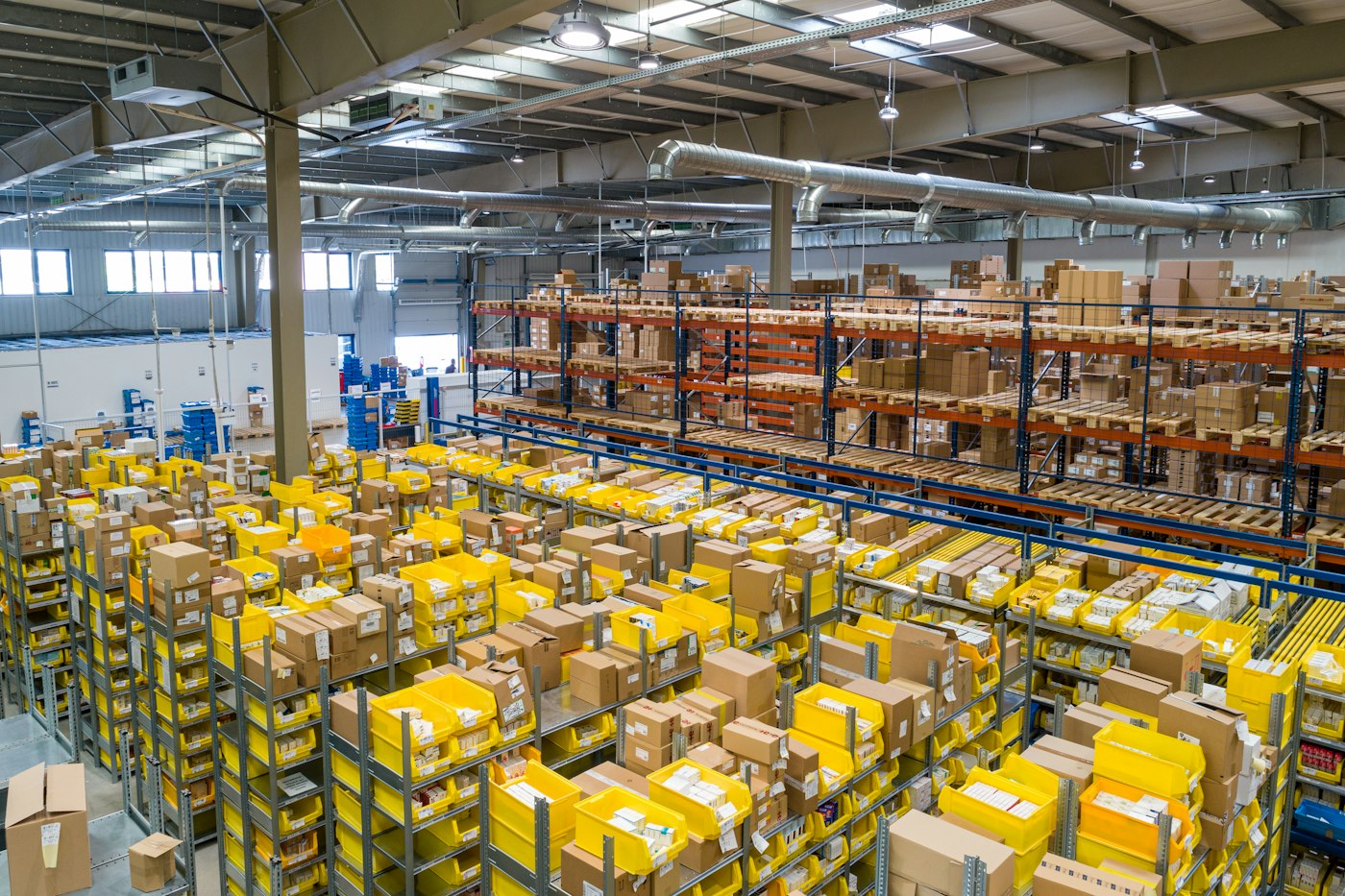
A legitimate-looking warehouse operation can be the front for a business with a fraction of the capacity it claims. The insured headcount is often the fastest check.
Why standard due diligence does not catch these
The checks most buyers run before placing an order are designed to assess surface legitimacy. Platform reviews, profile completeness, Gold Supplier status, sample quality. These signals are useful for filtering out obviously untrustworthy suppliers. They are not designed to catch a supplier who has invested in appearing legitimate, or a long-term partner whose circumstances have changed, or a manufacturer who has overstated their capacity.
The checks that catch these patterns are checks against data sources the supplier cannot curate. Government registries updated by regulatory filings. Court databases populated by judicial outcomes. Social insurance records filed for tax purposes. Customs records generated by actual export activity. None of these can be manipulated by a supplier managing their Alibaba profile.
What you can actually do about it
The practical answer is a two-layer approach. Before committing to any new supplier, run a background check against Chinese government registries. This catches type two fabrications almost immediately and provides important context for type one and type three risks.
For established suppliers, run periodic checks rather than assuming the original verification is still valid. A supplier's legal standing, financial health, and ownership structure can change significantly between orders. A quarterly or annual check on active supplier relationships catches the type one pattern before it materialises into a loss.
Neither of these approaches is expensive relative to the orders they are protecting. A £149 check before a £20,000 order is not a cost. It is a sensible precaution. A monthly monitoring service for your three most important suppliers at £79 per month per supplier is not an overhead. It is insurance against the scenario that has caused six and seven figure losses to businesses operating in exactly the same way you are.
ALIX Solutions provides background checks on Chinese suppliers before commitment and ongoing monitoring for established relationships. Reports are delivered in plain English within 48 hours.