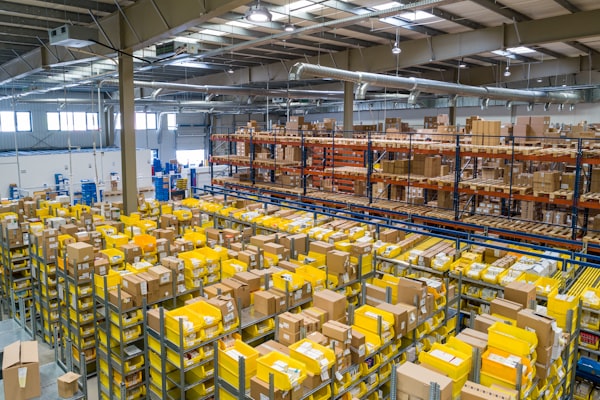
Alibaba is full of suppliers presenting themselves as manufacturers. Some are. Many are not. A trading company is a business that buys goods from actual factories and resells them to international buyers, adding their own margin in the process. There is nothing inherently wrong with using a trading company if you know that is what you are doing and the price reflects it. The problem is when you are paying factory prices and actually dealing with a middleman, or when the trading company is sourcing from factories with quality or compliance issues you never get to see.
The distinction matters for three reasons. Price, because a trading company always adds margin that a direct factory relationship does not. Quality control, because a trading company has less leverage over the factory and less visibility into what actually happens on the production line. And accountability, because when something goes wrong a trading company will often point at the factory and the factory will point at the trading company and you are stuck in the middle.
What trading companies say versus what they are
Most trading companies on Alibaba describe themselves as manufacturers. They show factory photos, production videos, machinery images, and quality control setups. In many cases these belong to the factories they source from, not to the company you are actually contracting with. This is not technically illegal because Chinese business law does not prohibit trading companies from showcasing supplier facilities in their marketing. But it is deliberately misleading.
The product range test. One of the most reliable surface-level signals is how diverse a supplier's product range is. A genuine manufacturer makes things within a defined category that requires the same equipment and expertise. A trading company sells whatever their network of factories produces. If a single Alibaba profile is offering electronics, furniture, textiles and industrial components, you are almost certainly looking at a trading company.
The checks that actually reveal the truth
Check their registered business scope
Every Chinese company is required to register the specific activities they are legally permitted to conduct. This is recorded in the SAMR business registry and is publicly accessible. A genuine manufacturer will have manufacturing listed explicitly in their registered scope. A trading company will have trading, import and export, or wholesale listed instead. If a supplier is claiming to be a factory but their registered scope contains no reference to manufacturing, they are a trading company operating outside their stated identity.
Check their presence on 1688.com
1688.com is Alibaba's Chinese domestic wholesale platform. It is where factories sell to Chinese trading companies and domestic buyers. A genuine manufacturer will typically have an active 1688 presence with transaction history from domestic buyers purchasing in bulk. A trading company will either have no 1688 presence at all or will appear as a buyer rather than a seller on the platform. This check takes about five minutes and is one of the most reliable indicators available without specialist access.
Check their VAT invoice status
In China, only companies engaged in genuine manufacturing activity can issue certain types of VAT invoices tied to production. Ask your supplier to confirm their VAT taxpayer status and whether they can issue a manufacturing VAT invoice. A trading company will either hesitate, deflect, or be unable to issue the relevant invoice type. A genuine manufacturer will confirm this without difficulty. This is not a foolproof test because VAT rules are complex and there are exceptions, but it is a useful additional signal.
Cross-reference insured staff numbers
Manufacturing requires workers. A factory claiming to employ 300 people on a production line will have social insurance contributions on record for those workers. Chinese social insurance filings are a matter of government record. A trading company might have 8 to 20 staff managing logistics, sales and administration. If a supplier's insured headcount does not support their claimed production capacity, they are either a trading company or a factory operating far below the scale they are representing.
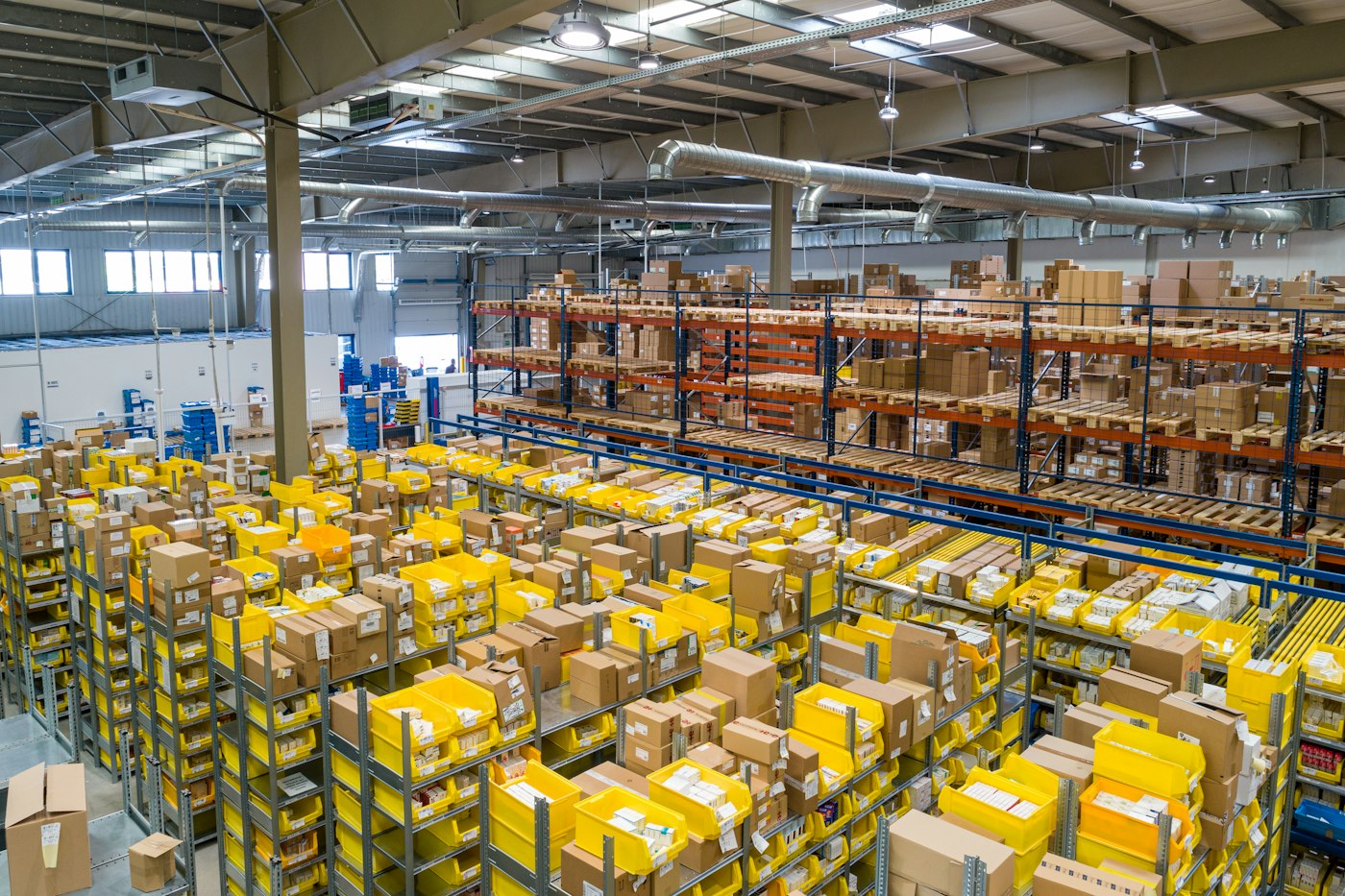
A warehouse operation looks nothing like a manufacturing facility but can be presented as one with the right photography and the right description.
When using a trading company is actually fine
Not every trading company is a problem. For small order quantities, a trading company that aggregates products from multiple factories can be exactly what a small business needs. They provide flexibility, lower minimums, and consolidated shipping that a direct factory relationship often cannot offer at small scale.
The issue is not trading companies existing. It is not knowing you are using one. If you know you are dealing with a trading company, you can negotiate accordingly, understand the limitations, and make a genuinely informed decision about whether the relationship works for your business. If you think you are buying direct from a factory and you are not, every assumption you have made about pricing, quality control, and accountability is wrong.
What to do if you find out your supplier is a trading company
It does not automatically mean you should walk away. It means you should renegotiate with full knowledge of what you are actually buying. Ask them to be transparent about which factory produces your goods. Ask whether you can visit the factory directly. Ask whether they can introduce you to the actual manufacturer for future orders. Their willingness to be transparent about the relationship tells you a great deal about how they operate.
If they resist every attempt at transparency about the actual manufacturing source, that is a separate red flag worth taking seriously.
ALIX Solutions checks registered business scope, insured staff headcount and domestic platform activity as part of every supplier background report. Whether your supplier is a genuine manufacturer or a trading company presenting as one will be clearly identified in your report within 48 hours.